Local SEO
Listing Management: The Ultimate Guide to Boosting Your Local Visibility
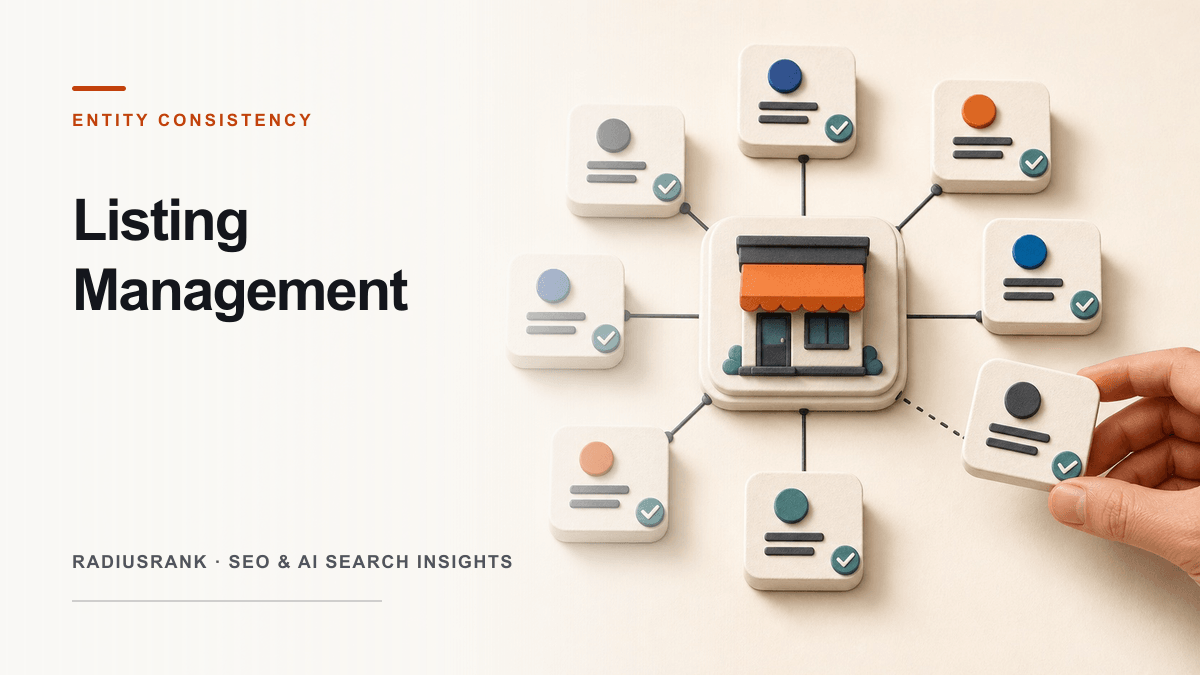
A centralized listing management dashboard helps maintain consistency across multiple directories
Mastering Listing Management for Local Business Growth
What is Listing Management?
Did you know that 76% of consumers who search for a local business on their smartphone visit that business within 24 hours? Yet, nearly 60% of small businesses have incorrect or inconsistent information across their online listings. This disconnect represents a massive opportunity cost for businesses trying to attract local customers.
Listing management is the process of creating, optimizing, and maintaining your business information across the digital ecosystem. This includes managing business citations (mentions of your NAP - Name, Address, Phone) across directories like Google Business Profile, Yelp, Apple Maps, Facebook, and dozens of other platforms where your customers might be looking for you. Effective listing management ensures that no matter where potential customers find you online, they'll see accurate, compelling, and consistent information that drives them to your door.
In today's competitive digital landscape, simply having an online presence isn't enough. You need a strategic approach to listing management that maximizes your visibility and converts searchers into customers. This guide will walk you through everything you need to know to take control of your business listings and leverage them for growth.
Why Listing Management Matters
The importance of listing management cannot be overstated in today's digital-first consumer journey. Here's why it matters:
- Local Search Visibility: Search engines like Google prioritize businesses with consistent, accurate listings across the web. Proper listing management directly impacts your ability to appear in local search results.
- Local SEO Performance: Search engines like Google prioritize businesses with consistent, accurate listings across the web. Proper listing management directly impacts your ability to appear in local search results, including the coveted Google Map Pack (the top 3 local results).
- Customer Trust: When customers find conflicting information about your business online, it erodes trust. Consistent listings build credibility and confidence.
- Competitive Advantage: Many of your competitors are likely neglecting their listings. Taking control of yours can give you a significant edge in local search results.
- Customer Experience: Accurate listings prevent frustration. No one wants to drive to a business only to find it closed or at a different location than listed.
The Cost of Inconsistent Listings
Lost Customers & Sales
Inconsistent business listings directly translate to lost customers and revenue. According to a BrightLocal survey, 68% of consumers would stop using a local business if they found incorrect information in online directories. Think about that—over two-thirds of potential customers might walk away simply because your hours of operation are wrong or your phone number is outdated.
Consider this scenario: A hungry customer searches for "restaurants near me" on their phone. Your restaurant appears in the results, but the listed hours show you're closed when you're actually open. That customer will simply move on to the next option, and you've lost a sale without even knowing it happened.
How inconsistent listings create a negative customer journey and lead to lost business
Harmed Reputation
Beyond the immediate loss of customers, inconsistent listings damage your business reputation over time. When customers have negative experiences because of inaccurate information, they're likely to leave negative reviews or share their frustration with others. In fact, 94% of consumers say a negative review has convinced them to avoid a business.
Trust is the foundation of customer relationships, and inconsistent listings slowly erode that foundation. Each incorrect listing represents a broken promise to your customers—and rebuilding trust is much harder than maintaining it in the first place.
Lower Search Rankings
Search engines like Google use complex algorithms to determine which businesses to show in local search results. One key factor is NAP consistency—the consistency of your Name, Address, and Phone number across the web. When Google finds conflicting information about your business, it reduces confidence in your listing's accuracy, which can lower your rankings in search results.
Search engines like Google use complex algorithms to determine which businesses to show in local search results and the Google Map Pack (the top 3 local results shown on maps). One key factor is NAP consistency—the consistency of your Name, Address, and Phone number across the web. When Google finds conflicting information about your business, it reduces confidence in your listing's accuracy, which can lower your rankings in search results.
According to Moz's Local Search Ranking Factors, citation-related factors (which include listing consistency) account for approximately 16% of the ranking factors for local pack results. That's a significant portion of what determines whether customers see your business or a competitor's when they search.
Best Practices for Effective Listing Management
Maintain NAP Consistency
NAP consistency is the cornerstone of effective listing management. Your business Name, Address, and Phone number must be identical across all platforms—down to the smallest details like abbreviations (St. vs. Street) and suite numbers. Even minor inconsistencies can confuse search engines and customers.
Create a master document with your canonical NAP information, and use it as a reference whenever you create or update a listing. This document should include:
- Your official business name (exactly as you want it to appear)
- Your complete address, including suite numbers and ZIP code
- Your primary phone number with area code
- Your website URL (including whether you use www or not)
- Your business hours for each day of the week
- Your business categories (primary and secondary)
Conduct Regular Listing Audits
Listing management isn't a one-time task—it requires ongoing attention. Schedule regular audits (at least quarterly) to check for inconsistencies or outdated information across your listings. Pay special attention after any changes to your business information, such as relocations, phone number changes, or rebranding.
During your audit, check not only the major platforms like Google and Yelp but also industry-specific directories relevant to your business. For example, restaurants should verify listings on OpenTable and TripAdvisor, while healthcare providers should check Healthgrades and WebMD.
Enhance Listings with Engaging Content
While NAP consistency is essential, truly effective listing management goes beyond the basics. Enrich your listings with compelling content that showcases your business and differentiates you from competitors:
- High-quality photos: Regularly update your listings with professional photos of your products, services, team, and location. Businesses with photos receive 42% more requests for driving directions and 35% more clicks to their websites.
- Detailed business descriptions: Craft unique, keyword-rich descriptions that highlight your unique selling propositions and include relevant local keywords.
- Special attributes: Take advantage of platform-specific attributes like "wheelchair accessible," "free Wi-Fi," or "outdoor seating" to help customers find businesses that meet their specific needs.
- Q&A sections: Proactively add and answer questions on platforms like Google Business Profile to provide valuable information to potential customers.
Example of a well-optimized Google Business Profile with rich content and proper information
Essential Tools for Managing Listings
RadiusRank Listing Management
Managing your business listings across dozens of platforms manually is time-consuming and prone to errors. That's where RadiusRank's Listing Management tools come in, offering a comprehensive solution to streamline and optimize your online presence:
RadiusRank Listing Management Features
- Centralized Dashboard: Manage all your business listings from a single, intuitive interface, saving hours of manual updates across platforms.
- Automated Consistency: Ensure perfect NAP consistency with one-click updates that propagate across all connected directories.
- Listing Distribution: Instantly create and verify listings on 30+ top directories, including Google, Yelp, Facebook, Apple Maps, and industry-specific platforms.
- Duplicate Detection: Automatically identify and resolve duplicate listings that could confuse customers and harm your SEO.
- Review Monitoring: Track and respond to customer reviews across platforms from a single dashboard, improving your online reputation.
- Performance Analytics: Gain insights into how customers interact with your listings, including views, clicks, and conversion metrics.
- NAP Consistency Checker: Automatically scan the web to identify inconsistencies in your business information across directories.
RadiusRank's tools are designed for businesses of all sizes, from single-location small businesses to multi-location enterprises. The platform scales with your needs, allowing you to manage listings for one location or hundreds with the same level of precision and efficiency.
Other Helpful Tools
While RadiusRank provides a comprehensive solution, there are other specialized tools that can complement your listing management strategy:
- Google Business Profile Manager: Essential for managing your Google presence, which is often the most critical listing for local businesses.
- Bing Places for Business: Similar to Google Business Profile but for Microsoft's search engine.
- Social Media Management Tools: Platforms like Hootsuite or Buffer can help maintain consistency across social profiles that also function as business listings.
- Review Management Software: Specialized tools for monitoring and responding to reviews across platforms.
Step-by-Step Guide to Optimizing Your Listings
Audit Your Listings
Before making any changes, conduct a thorough audit of your existing online presence:
- Search for your business name, phone number, and address on Google to identify where you're already listed.
- Document all listings you find, noting any inconsistencies or outdated information.
- Check for duplicate listings on the same platform, which can confuse both customers and search engines.
- Identify high-priority directories where you should be listed but aren't.
RadiusRank's free listing scan tool can automate this process, providing a comprehensive report of your online presence across major directories and highlighting inconsistencies that need attention.
Claim & Verify Listings
Once you've identified where your business is listed, the next step is to claim ownership of these listings:
- Start with the most important platforms: Google Business Profile, Yelp, Facebook, and Apple Maps.
- Follow each platform's verification process, which may involve phone calls, postcards, emails, or document submission.
- Keep track of login credentials for each platform in a secure location.
- For unclaimed listings created by third parties, follow the platform's process for claiming an existing listing rather than creating a new one.
Optimize Your Profile
With your listings claimed and verified, it's time to optimize the content:
- Update all NAP information to ensure perfect consistency across platforms.
- Write a compelling, keyword-rich business description that highlights your unique value proposition.
- Add high-quality photos that showcase your business, products, and services.
- Select appropriate categories and attributes for each listing.
- Add your business hours, including special hours for holidays or seasonal changes.
- Include additional information like payment methods, parking availability, and accessibility features.
For advanced optimization, consider implementing schema markup on your website to complement your listing management strategy. LocalBusiness schema helps search engines better understand your business details and improves visibility in both traditional and voice search results. With 40% of adults now using voice search daily, optimizing your listings for conversational queries (like "find a coffee shop near me") is increasingly important.
Monitor & Manage Reviews
Reviews are a critical component of your online listings and require ongoing attention:
- Set up alerts for new reviews across platforms.
- Respond to all reviews—both positive and negative—in a timely, professional manner.
- For negative reviews, address concerns directly and offer solutions when appropriate.
- Implement a review generation strategy by creating post-purchase email sequences or SMS campaigns that encourage satisfied customers to leave reviews.
- Monitor review trends to identify recurring issues that may need attention in your business operations.
- Consider using review management tools that integrate with platforms like Google Business Profile, Yelp, and Facebook to streamline the process.
Final Thoughts: Stay Consistent & Keep Improving
Effective listing management is no longer optional for businesses that want to thrive in the digital age—it's essential. Inconsistent or inaccurate listings create friction in the customer journey, damage your reputation, and hurt your search rankings. Conversely, a strategic approach to listing management can dramatically improve your visibility, build trust with potential customers, and drive measurable business growth.
As the digital landscape evolves, so too must your listing management strategy. Stay informed about new platforms like Apple Business Connect and updates to existing ones like Google Business Profile and Bing Places. Consider how voice search is changing local search behavior, and adapt your listings to include conversational keywords. For businesses with multiple locations, invest in scalable solutions that maintain consistency while allowing for location-specific customization.
While managing your listings manually is possible, it's time-consuming and prone to errors. Tools like RadiusRank's Listing Management platform provide a comprehensive solution that saves time, ensures consistency, and provides valuable insights into your online presence.
Remember that listing management is an ongoing process, not a one-time task. Regular audits, updates, and optimization are necessary to maintain your competitive edge in local search results. By following the best practices and step-by-step guide outlined in this article, you'll be well on your way to leveraging the full potential of your business listings.
Ready to take control of your business listings and boost your local visibility? Get a free listing scan to see how your business appears across the web and identify opportunities for improvement.
Get a Free Listing Management Audit
Discover how your business listings appear across the web and get actionable insights to improve your local visibility.
Related Articles
Local SEO
Maximizing Your Local SEO: A Comprehensive Guide to Google Business Profile Optimization
Boost your local SEO with our guide to Google Business Profile optimization. Get more visibility, attract local customers & grow your online presence!
Read More
Industry-Specific SEO
The Ultimate Guide to SEO for Dentists: Boosting Your Practice's Online Presence
A comprehensive guide for dentists looking to improve their online visibility and attract more patients through effective SEO strategies.
Read More